5 minute read | Workplace wellbeing | Energy & productivity
The 2pm Energy Slump Is Costing Your Business More Than You Think
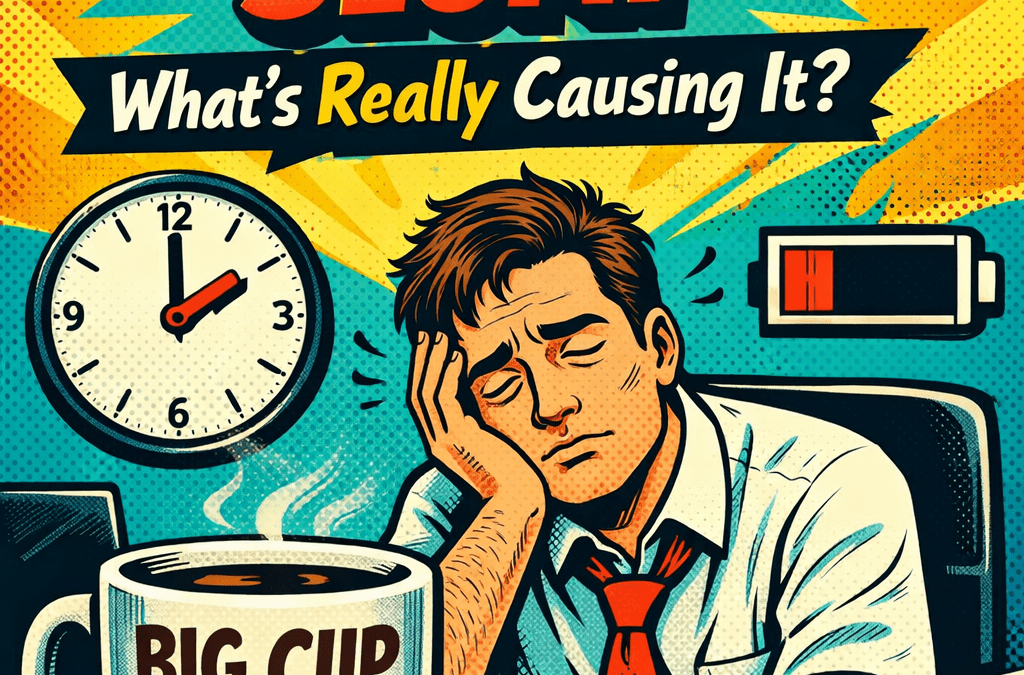
Walk into most workplaces around 2pm and a familiar pattern appears.
Energy drops.
Focus fades.
Coffee cups multiply.
Many organisations accept this as normal working life. Teams push through the afternoon until the day ends.
A different picture emerges when looking closer.
The afternoon slump quietly affects productivity, concentration and decision making across the whole workplace.
This is not a motivation issue.
This is biology.
Energy drives performance
Every organisation talks about productivity.
Systems improve it.
Processes improve it.
Training improves it.
Energy underpins all of those things.
Low energy affects attention, patience, communication and decision making. Tasks take longer. Small frustrations grow quickly. Clear thinking becomes harder.
Multiply that across an entire team and the impact becomes obvious.
Healthy people perform better.
The afternoon dip is predictable
Human biology runs on rhythms.
Hormones change during the day.
Blood glucose rises and falls depending on food intake.
Sleep quality influences how the brain performs the following day.
Energy naturally dips slightly in the early afternoon.
Workplace habits often make that dip much worse.
Heavy lunches full of refined carbohydrates cause blood sugar to spike and then crash. Processed food provides quick calories without sustained fuel. Caffeine temporarily masks fatigue rather than solving it.
A familiar cycle follows.
Energy spike.
Energy crash.
More caffeine.
Another crash.
Energy is not only about today
Energy during the working day is rarely just about lunch.
Patterns from the previous few days matter more.
Low protein intake, poor food quality and lack of micronutrients leave the body running on reduced reserves. The brain simply does not have the fuel it needs to perform consistently.
Recovery takes time.
Three or four days of balanced eating, better hydration and improved sleep can change how someone feels during the working day.
Energy becomes steadier.
Concentration lasts longer.
The afternoon slump becomes far less dramatic.
Small habit shifts create that change.
Coffee is not the solution
Caffeine plays a role in many workplaces.
One coffee in the morning is rarely a problem.
Multiple coffees across the day often signal something else.
Fatigue.
Sugar and caffeine provide short bursts of stimulation. They rarely address the underlying reason energy is low.
Many people experience the same pattern.
A lift after coffee.
Another drop later in the afternoon.
Tiredness by early evening.
Long term performance needs a different approach.
Workplace culture plays a role
Energy is not only influenced by food.
Movement matters.
Many people now spend entire days sitting. Meetings take place seated. Calls happen seated. Email replaces movement.
The brain performs better when the body moves.
Short breaks, walking conversations and small moments of activity improve alertness far more than another coffee.
Stress also drains energy.
Pressure accumulates during the week. Decision fatigue increases. Mental bandwidth shrinks.
Recognising those patterns early helps teams maintain focus for longer.
Practical changes work best
Complex wellbeing programmes often fail because they are difficult to maintain.
Simple changes tend to last.
Organisations often start with:
- understanding how food choices affect energy
- increasing protein intake at lunch
- encouraging short movement breaks
- creating awareness around stress signals
- improving hydration across the day
Small adjustments make noticeable differences.
In some workplaces it is even as simple as helping teams find better food options nearby. Most local cafés or food outlets are happy to support healthier choices if someone starts the conversation.
Small shifts across a team quickly add up.
Healthier teams perform better
Workplace wellbeing is sometimes misunderstood as a soft topic.
Reality looks different.
Energy affects performance.
Nutrition affects concentration.
Stress affects decision making.
Organisations that support healthier daily habits often see improvements in consistency, productivity and morale.
Healthier people think more clearly.
Healthier people collaborate better.
Healthy people perform better.
A conversation worth having
Many organisations I work with begin by recognising the same pattern.
The 2pm slump.
Understanding why it happens is the first step toward changing it.
Small shifts in nutrition, movement and stress awareness can transform how teams feel during the working day.
That change rarely requires dramatic interventions.
Clarity and consistency usually make the biggest difference.
Curious where your own energy drops during the working day? Try the 2-Minute Workplace Energy Check.
If this sounds familiar in your workplace
If you recognise the afternoon energy dip in your workplace, this is exactly the conversation I have when delivering workplace wellbeing talks.
Understanding how stress, nutrition and movement influence energy can make a noticeable difference to how teams feel and perform at work.
You can explore my workplace sessions here: Packages
What happens in your workplace when the afternoon slump arrives?